
How Local Weather Affects Your Home and What You Can Do About It
HS
Understanding the Impact of Weather on Your Home
Local weather conditions can significantly affect the longevity and integrity of your home. From extreme temperatures to heavy rainfall, the elements have the potential to cause wear and tear on your property. Understanding these effects is the first step toward safeguarding your home.
Weather patterns vary greatly depending on the region. In areas with high humidity, for instance, homeowners might face issues like mold and mildew, while arid regions can lead to cracked walls and dry rot.
Rain and Moisture
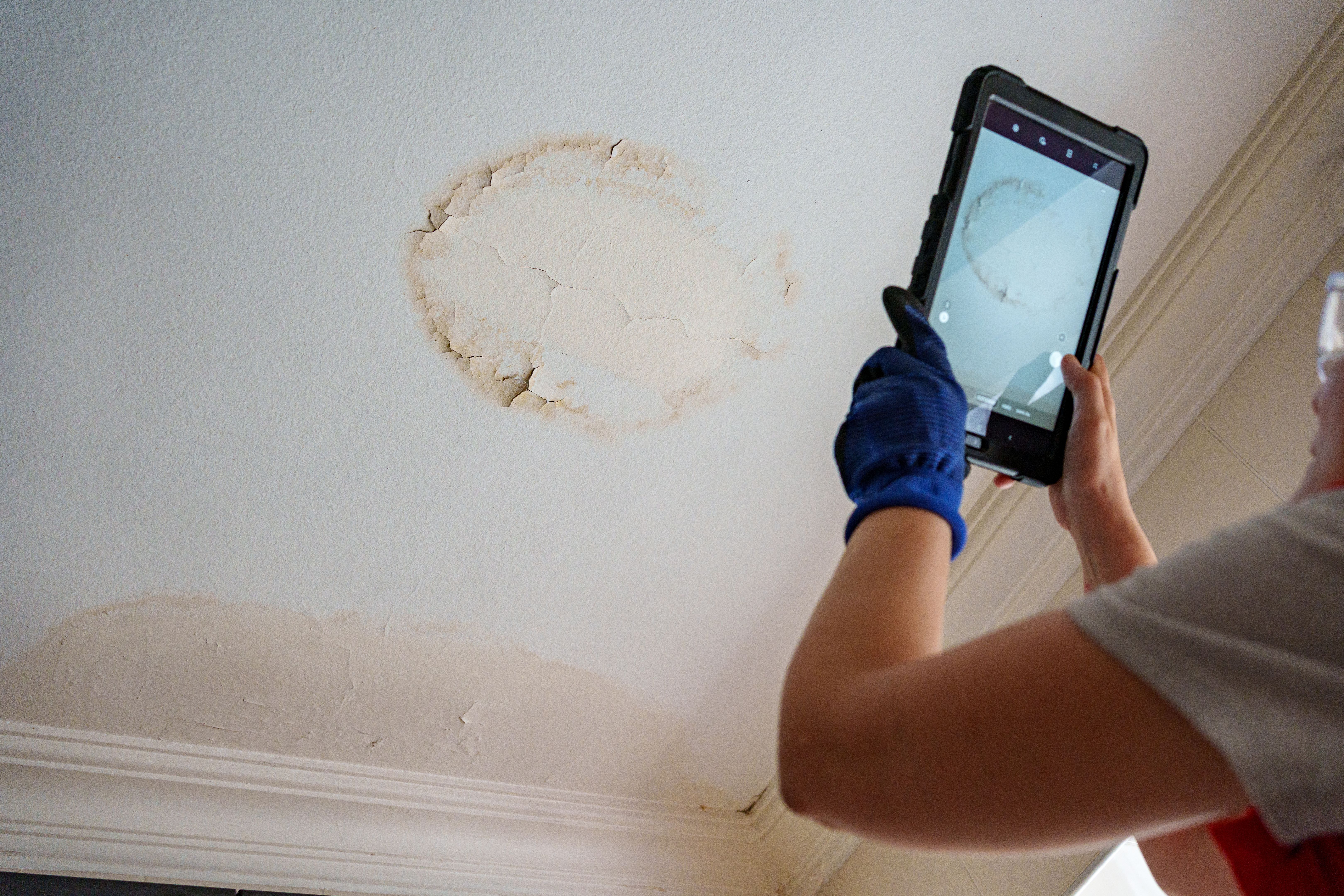
Excessive rain and moisture can seep into your home's foundation, leading to structural damage. Water can also infiltrate roofing materials, causing leaks and potential mold growth. It's crucial to ensure that your home is well-sealed and that gutters are clean and functional to direct water away from your property.
To mitigate these issues, consider installing a sump pump in your basement or crawlspace to manage water intrusion. Regular inspections of your roof and foundation can also prevent long-term damage.
Extreme Temperatures
Both extreme heat and cold can have adverse effects on your home. High temperatures can cause materials to expand and warp, while freezing conditions might lead to the contraction of materials and the formation of ice dams on roofs.
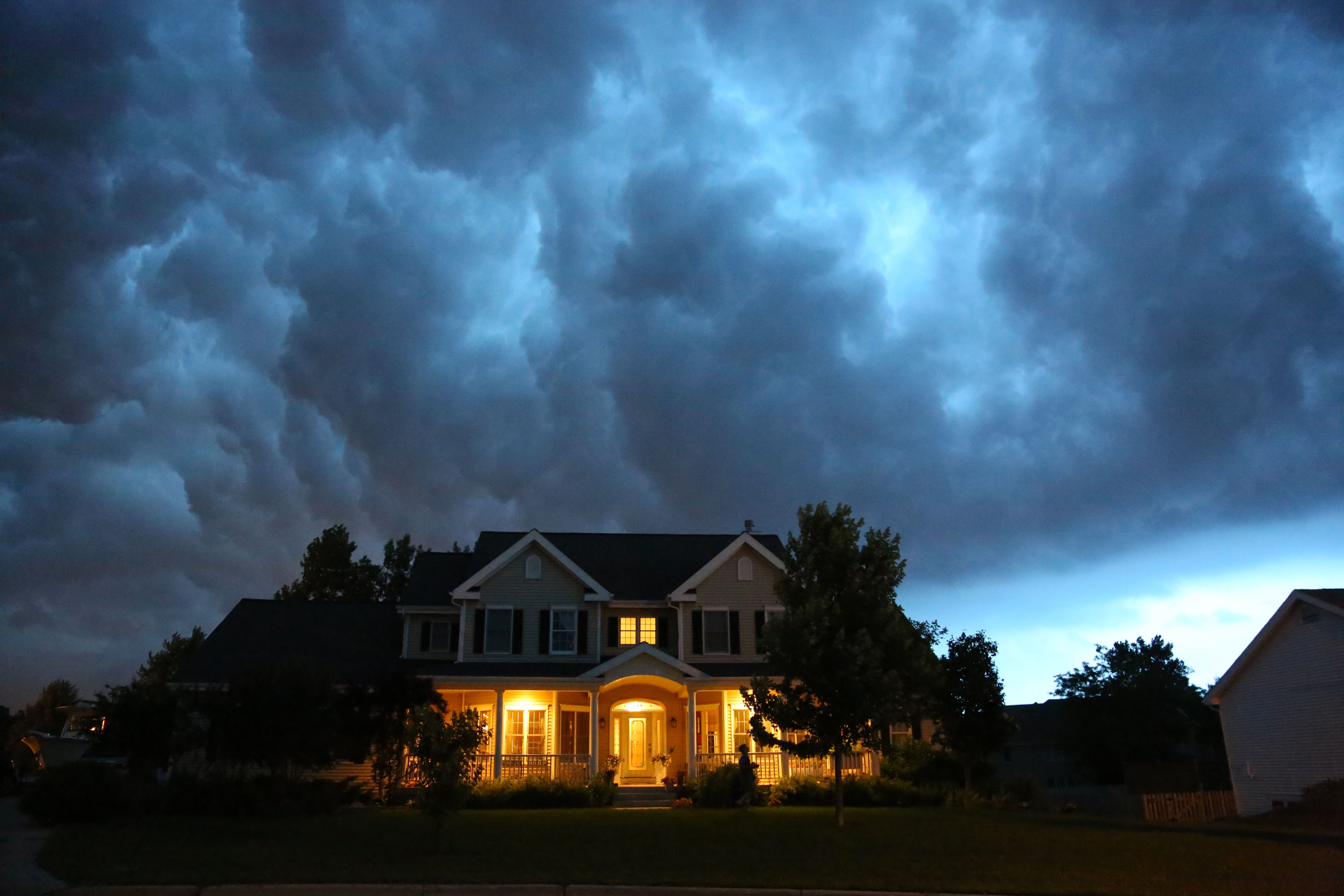
Insulation plays a key role in maintaining a stable indoor temperature. Ensuring your home is properly insulated reduces the stress on heating and cooling systems and protects against temperature-related damage.
Wind and Storms
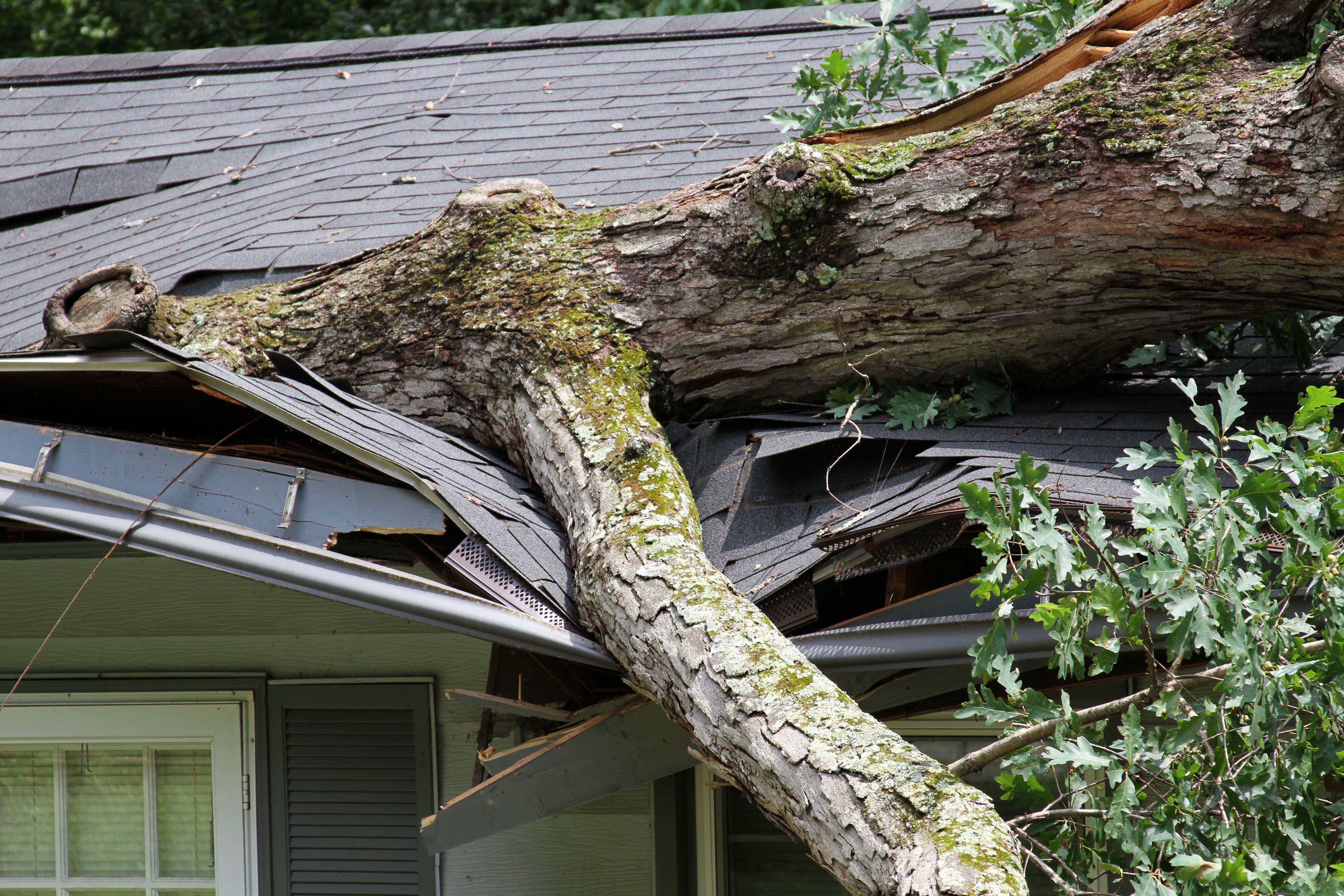
Strong winds and storms can cause immediate and visible damage to your home. Shingles can be torn off, windows broken, and trees can fall, leading to significant destruction. It's essential to reinforce your home's structure to withstand these forces.
- Secure loose items in your yard that could become projectiles.
- Install storm shutters or impact-resistant windows.
- Trim trees and branches close to your home.
Proactive Measures to Protect Your Home
Being proactive is key to minimizing weather-related damage. Regular maintenance and timely repairs can save you from costly fixes in the future. Here are some steps to take:
- Inspect and maintain your roof and gutters annually.
- Seal windows and doors to prevent drafts and moisture entry.
- Regularly check for and address any signs of mold or mildew.
By staying informed about local weather patterns and taking preventive measures, you can effectively protect your home from the challenges posed by nature. This not only preserves the value of your property but also enhances the safety and comfort of your living environment.