
DIY Home Repairs: When to Call a Professional
HS
Understanding Your Limits
Home repairs can be a rewarding and cost-effective way to maintain your living space. However, it's crucial to recognize when a task exceeds your skill level. Attempting complex repairs without the necessary expertise can lead to costly mistakes and even safety hazards.
Before starting any project, evaluate your skills honestly. Consider whether you have the right tools and knowledge to complete the job efficiently. If you're unsure, it's often better to consult with a professional.
Electrical Work
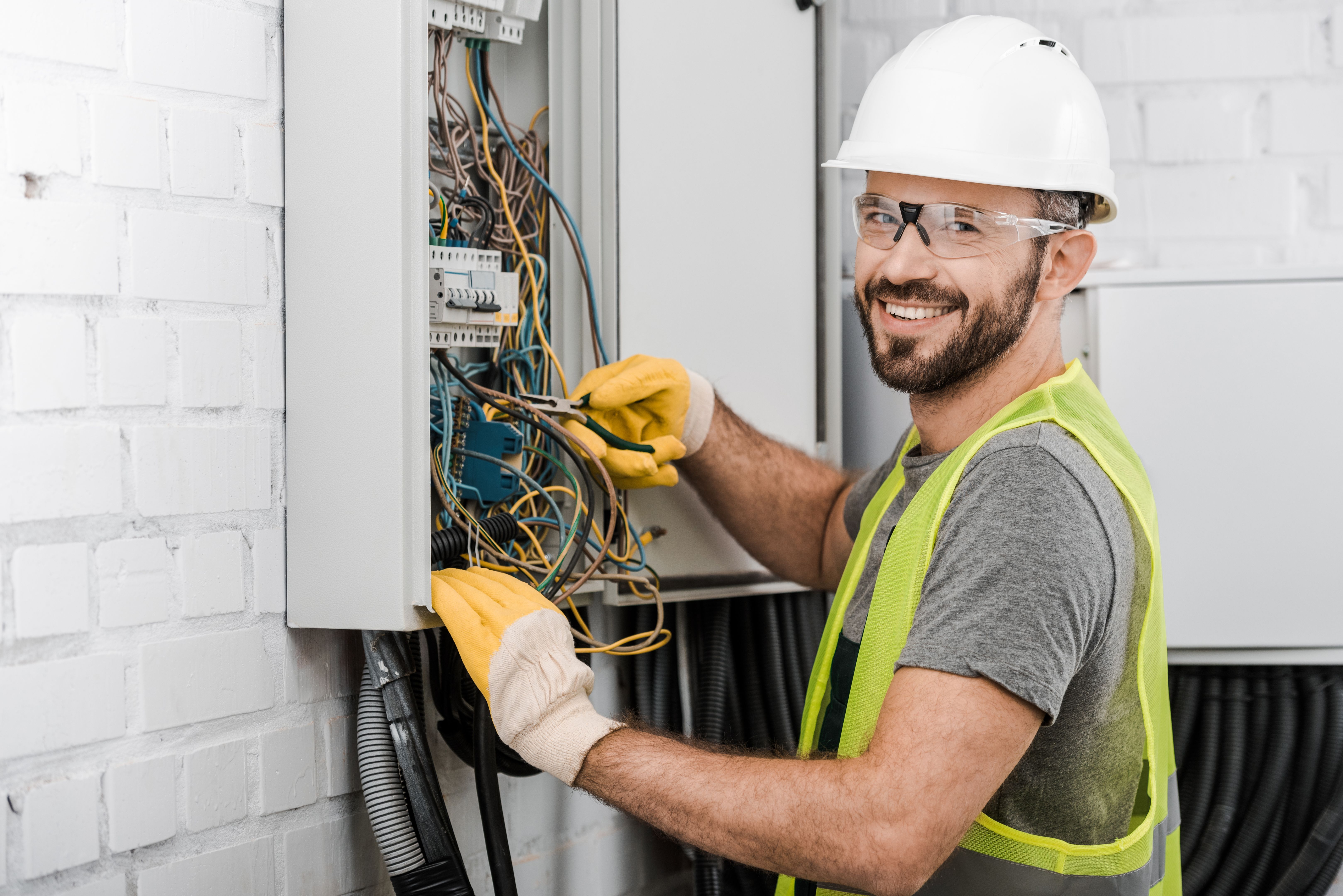
Electrical repairs are often best left to professionals. While changing a light bulb or replacing a switch plate might be within your capabilities, more complex tasks like rewiring or installing new outlets involve significant risks.
Attempting electrical work without proper training can result in electrical fires, shocks, or even severe injuries. It's essential to adhere to local building codes and regulations, which professionals are well-versed in.
When to Call an Electrician
- Rewiring or upgrading your electrical system
- Installing new circuits or outlets
- Fixing persistent electrical problems
Plumbing Repairs
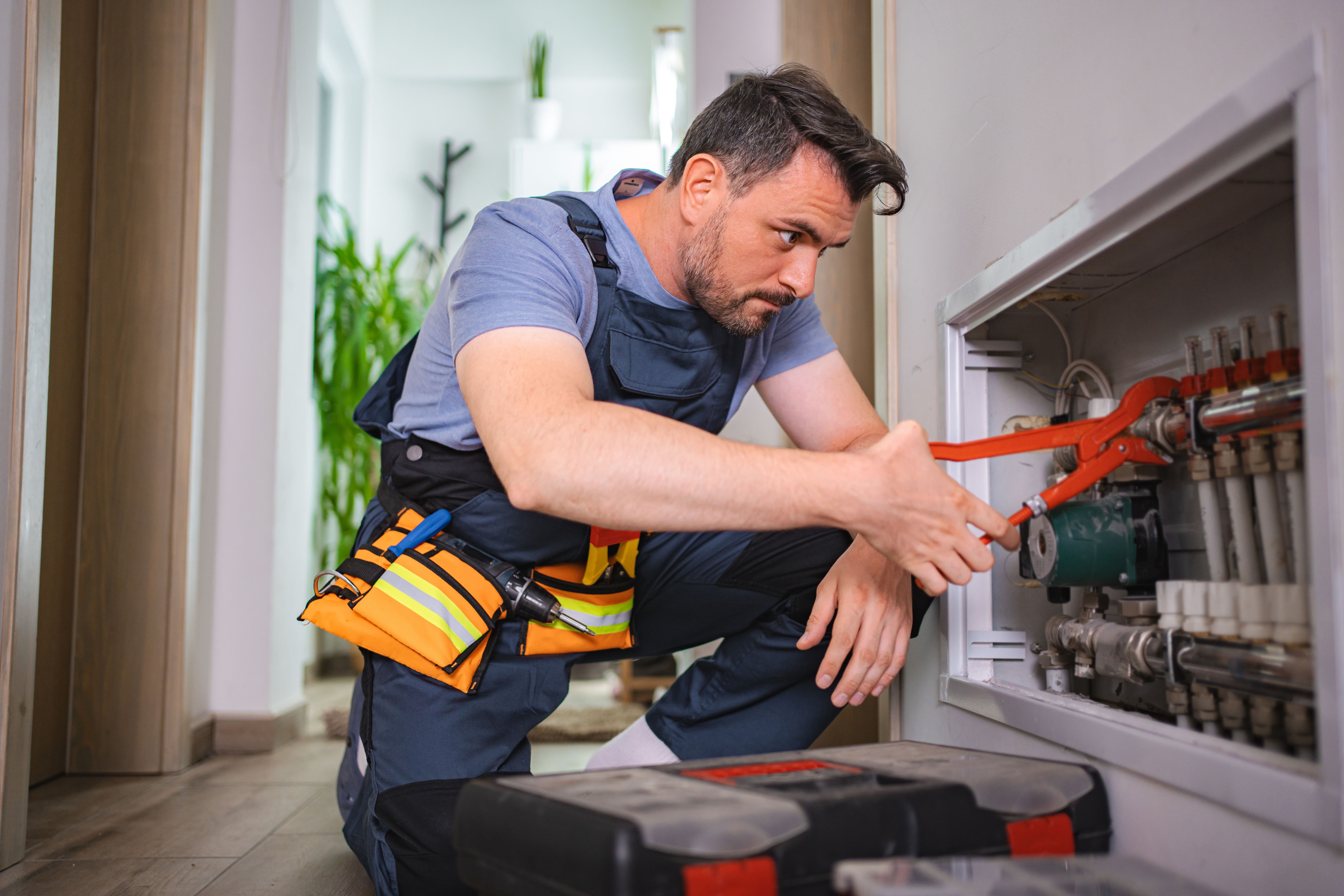
Some plumbing tasks, like unclogging a drain or fixing a leaky faucet, can be handled by DIY enthusiasts. However, more complex plumbing issues often require professional intervention.
Improperly handled plumbing repairs can lead to water damage, mold growth, and expensive repairs. It's important to know when a task is beyond your capabilities to prevent further complications.
When to Call a Plumber
- Major pipe leaks or bursts
- Water heater installation or repair
- Sewer line issues
Structural Repairs
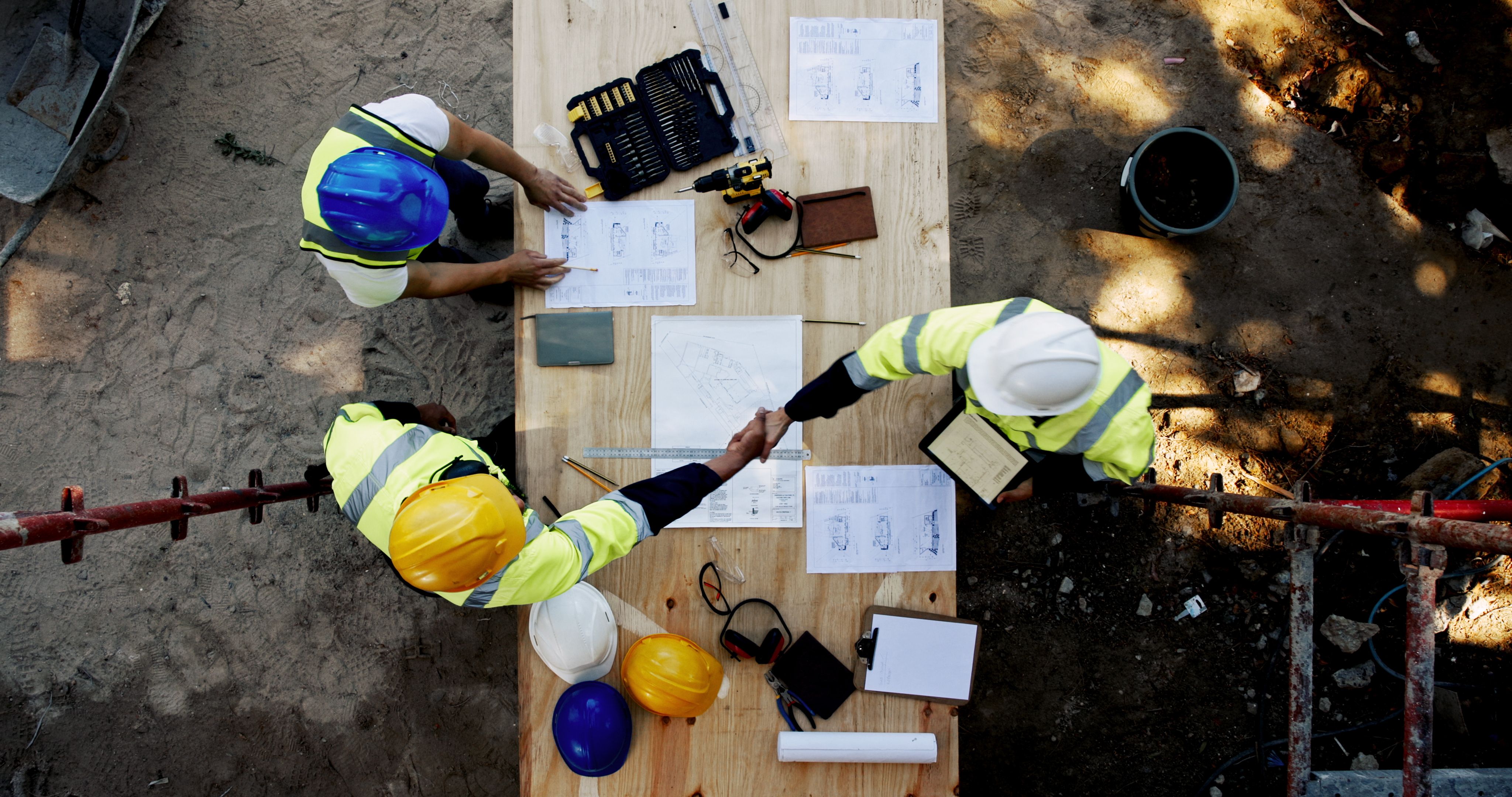
Structural repairs, including roofing, foundation work, and major renovations, should typically be left to professionals. These tasks require specialized knowledge and equipment to ensure safety and compliance with local building codes.
Working on these areas without expertise can lead to severe structural damage and safety hazards. Hiring a qualified professional ensures that the job is done correctly and safely.
When to Call a Contractor
- Roof repairs or replacements
- Foundation issues
- Major renovations or additions
Conclusion
While DIY home repairs can be fulfilling and cost-effective, it's essential to know your limits. Recognizing when to call a professional can save you time, money, and ensure the safety of your home. Always prioritize safety and quality when considering whether to tackle a project yourself or hire an expert.